Verbiage vs Verbage: What 70 Students Revealed About a Word Almost Everyone Gets Wrong

Verbiage vs Verbage: What 70 Students Revealed About a Word Almost Everyone Gets Wrong

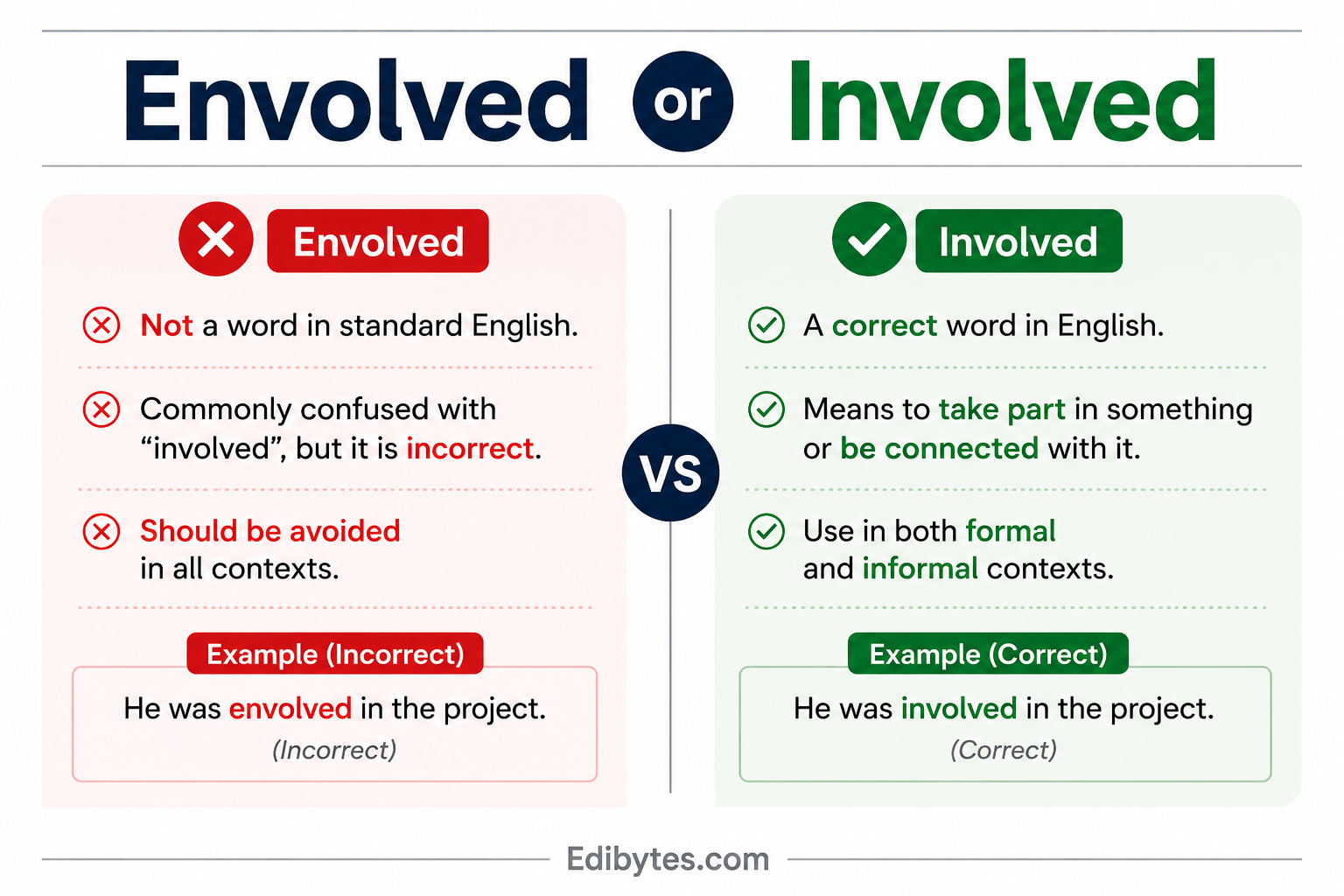
The email landed in my inbox with a subject line that made me wince: “Please review the contract verbage before Friday.” I paused. Not because of the deadline—because of that word. Verbage. I’d seen it before, of course. In student papers. In professional emails. Even in meeting notes from colleagues with advanced degrees. But this … Read more

Mine As Well, Might As Well, or Mind As Well: Which Is Correct?

Mine As Well, Might As Well, or Mind As Well

“Might As Well” Is the Only Correct Idiom “Might as well” is the standard, grammatically correct phrase. “Mine as well” and “mind as well” are nonstandard errors resulting from misheard speech. They are incorrect in both formal and casual English. Phrase Status Grammatical Classification Correct Example Might as well Standard Modal verb phrase + comparative … Read more

Accel vs Excel: Which Is Correct?

Accel vs Excel

“Excel” is the correct word when you mean to improve, achieve, or become better. “Accel” is usually a shortened form of “accelerate,” often used in names, brands, and informal speech. So, unless you are naming a startup, a racing team, or a suspiciously expensive productivity app, choose excel. To make this clear, I spoke with … Read more

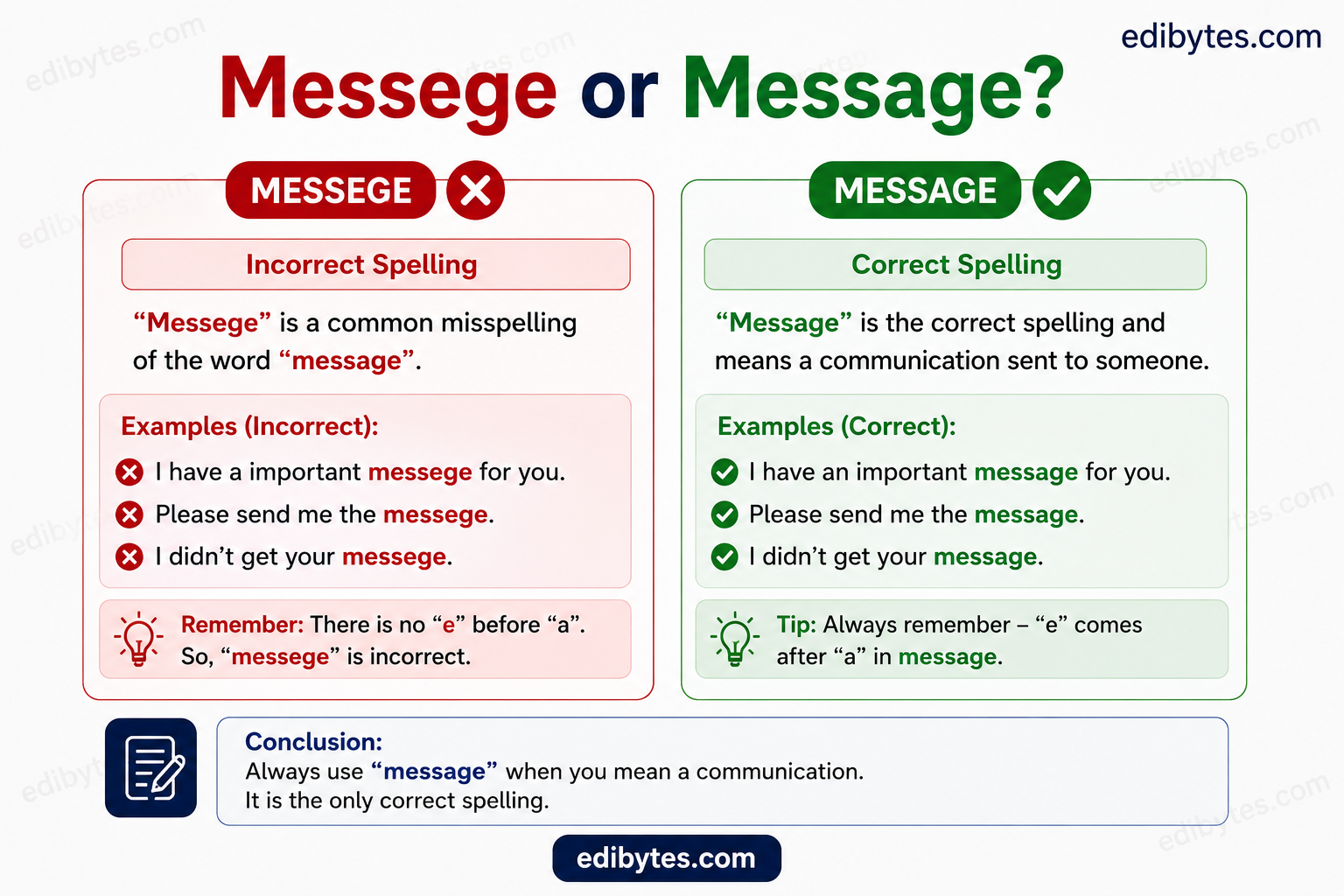
Messege or Message: Which Is Correct? (An Interview With Barnaby Fitchett)

Messege-or-Message

“Message” is correct. “Messege” is not a word. It never was. It’s simply a misspelling that keeps sneaking into texts, emails, and comment sections like a raccoon that’s figured out the trash can lid. We sat down with veteran English teacher Mr. Barnaby Fitchett, who has spent 31 years grading essays, correcting group chats he … Read more

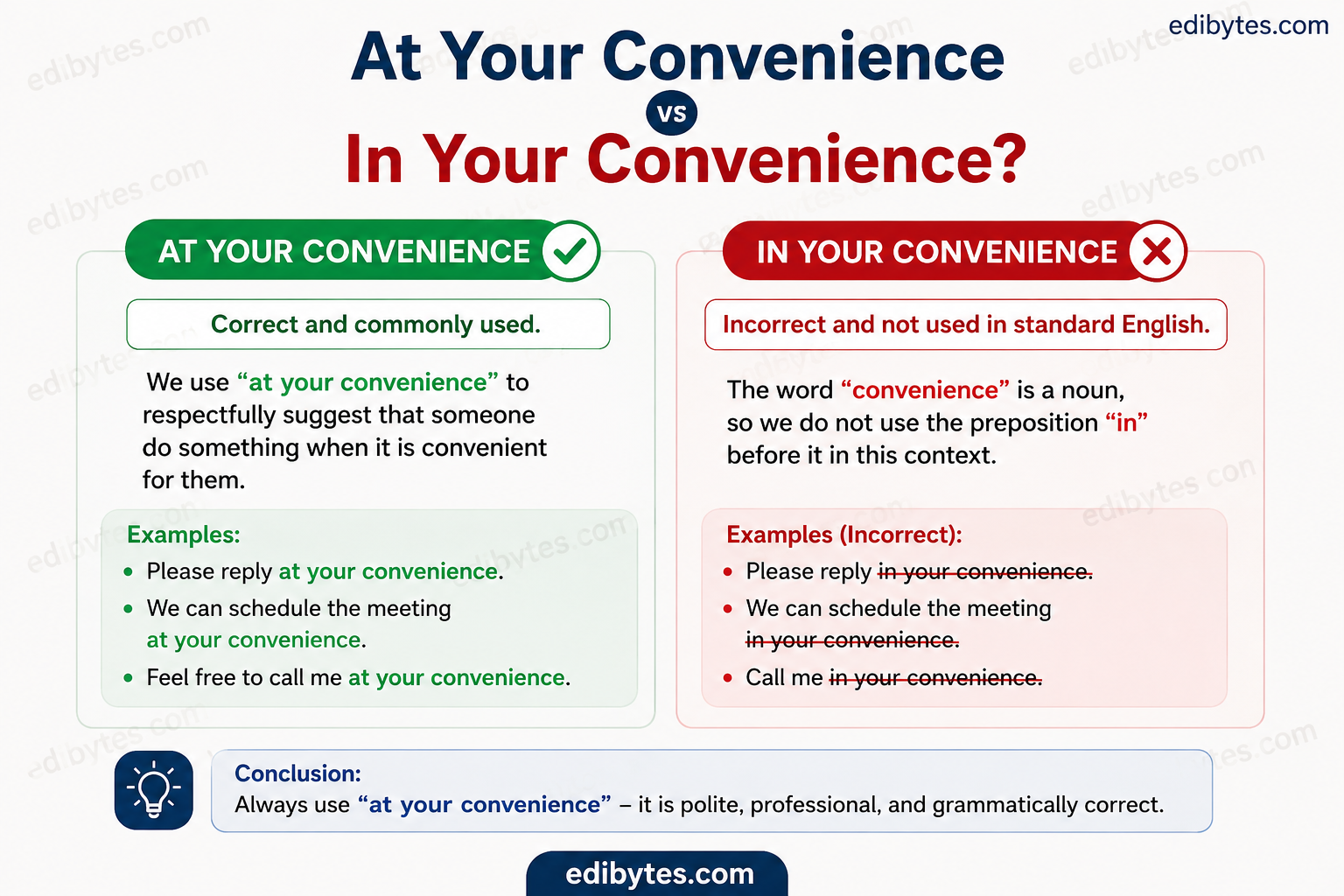
At Your Convenience or In Your Convenience: Which Is Correct?

At Your Convenience or In Your Convenience

It’s “at your convenience.” “In your convenience” is not standard English, no matter how confidently your coworker’s email signature insists otherwise. Key Takeaways Now, since a plain grammar rule can get a little dry, I sat down with someone who has spent thirty years correcting this exact mistake on whiteboards, in margins, and once, famously, … Read more

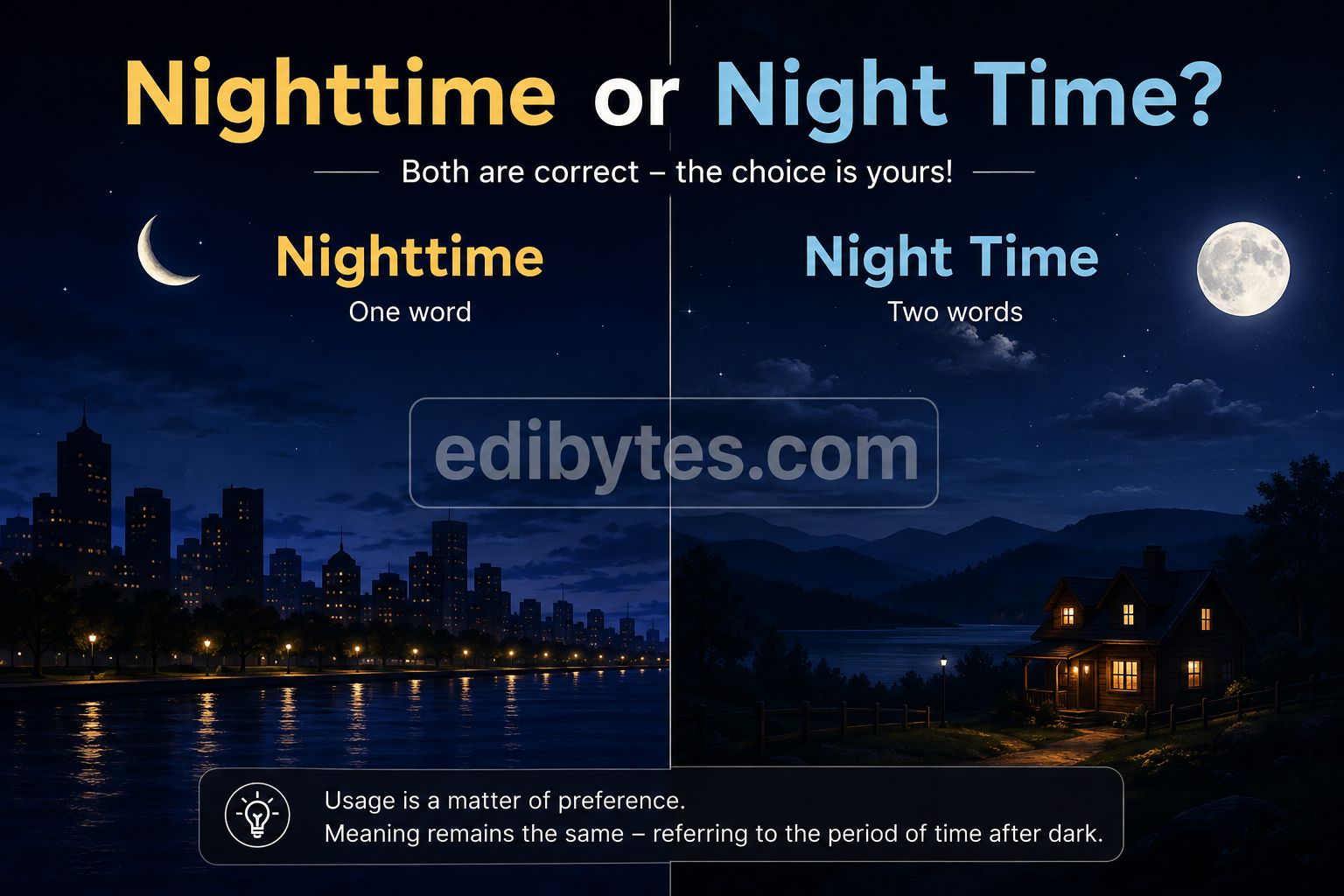
Nighttime or Night Time? Which is Correct?

Nighttime or Night Time

Quick answer: Both are technically fine, but “nighttime” is the safer, more modern choice for most writing, while “night time” is the old-school, more formal option that some style guides still prefer. Basically, nobody is wrong, but everybody has an opinion, and today we found the loudest one. Usage History: Key Takeaways Meet Mr. Alistair … Read more

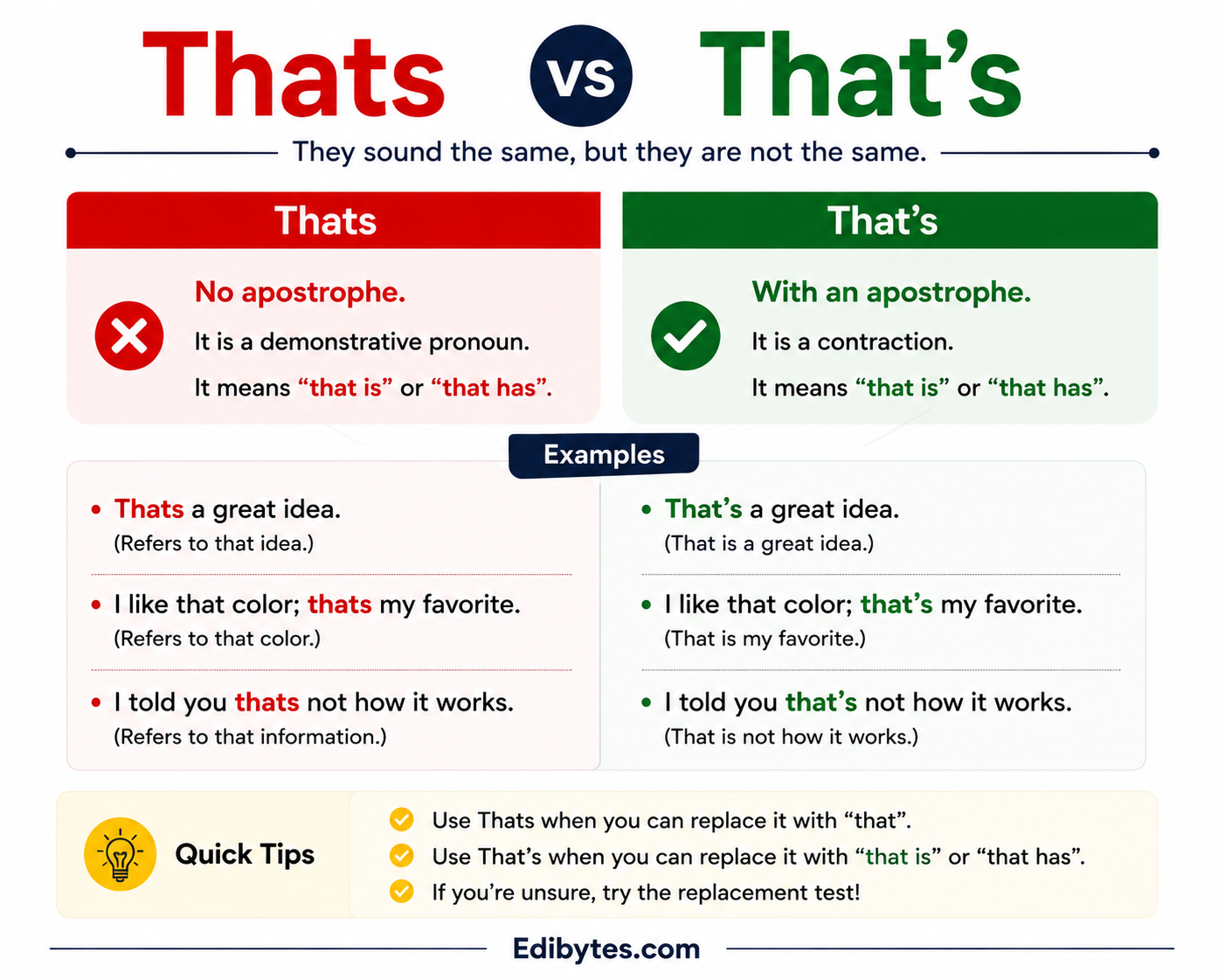
Thats vs That’s: Which Is Correct?

thats vs that's

“That’s” is correct when you mean “that is” or “that has.” “Thats” without an apostrophe is usually incorrect in standard English. For example: Simple, right? Apparently not. Because somewhere between typing quickly, arguing in YouTube comments, writing LinkedIn posts, and confidently correcting other people’s grammar, the apostrophe in that’s has become optional in the minds … Read more

Can Not or Cannot? The Final Debate

Can Not or Cannot

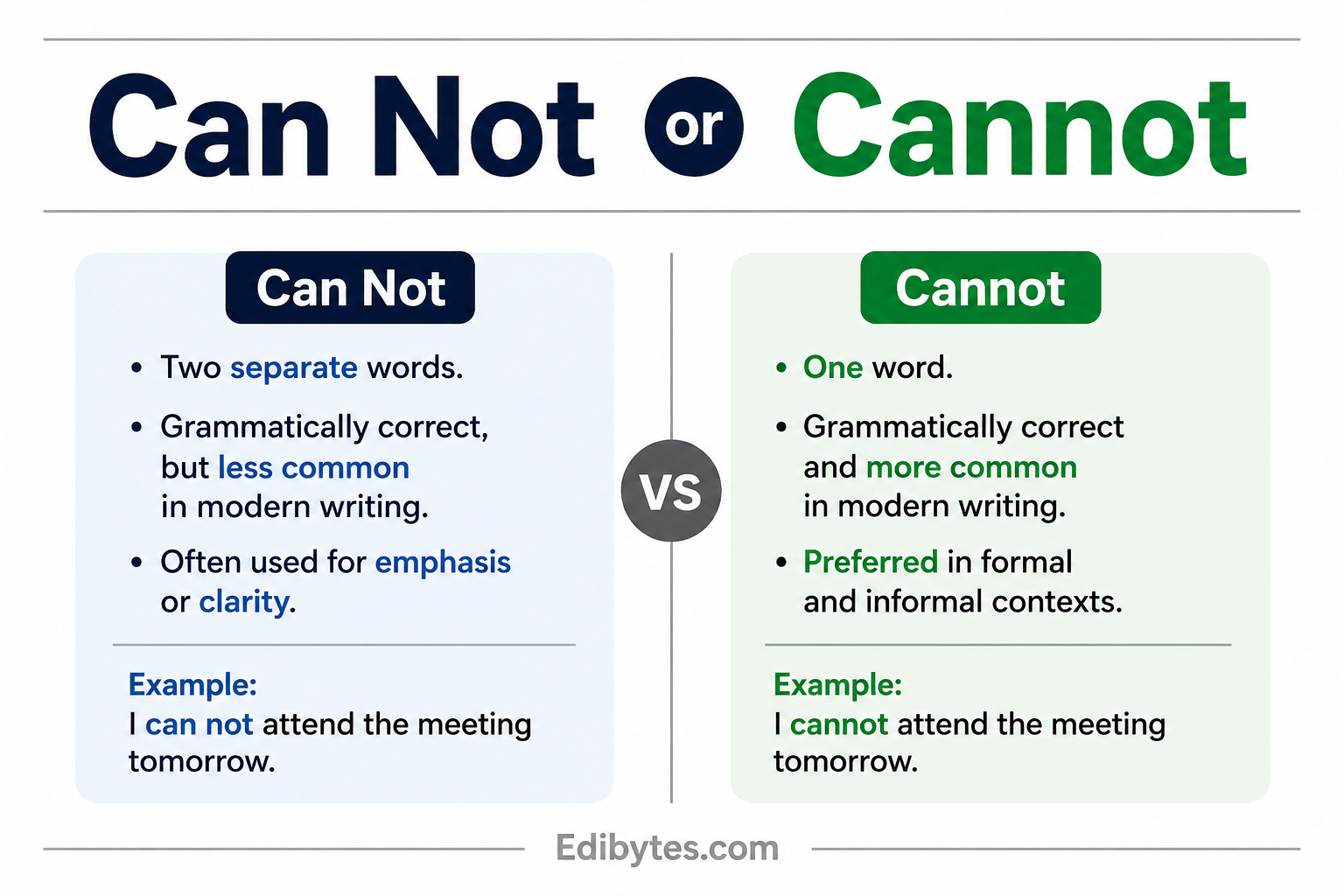
Short answer: use “cannot” almost every time. Yes, the answer is that simple. Cannot is the standard one-word spelling when you mean not able to or not permitted to do something. I cannot swim.You cannot park here.I cannot believe we are having a national emergency over one missing space. Can not does exist, but it … Read more

Emasculate vs. Demasculate: Breakdown by Dr. Adrian Wells, Linguistics Consultant

Emasculate vs Demasculate

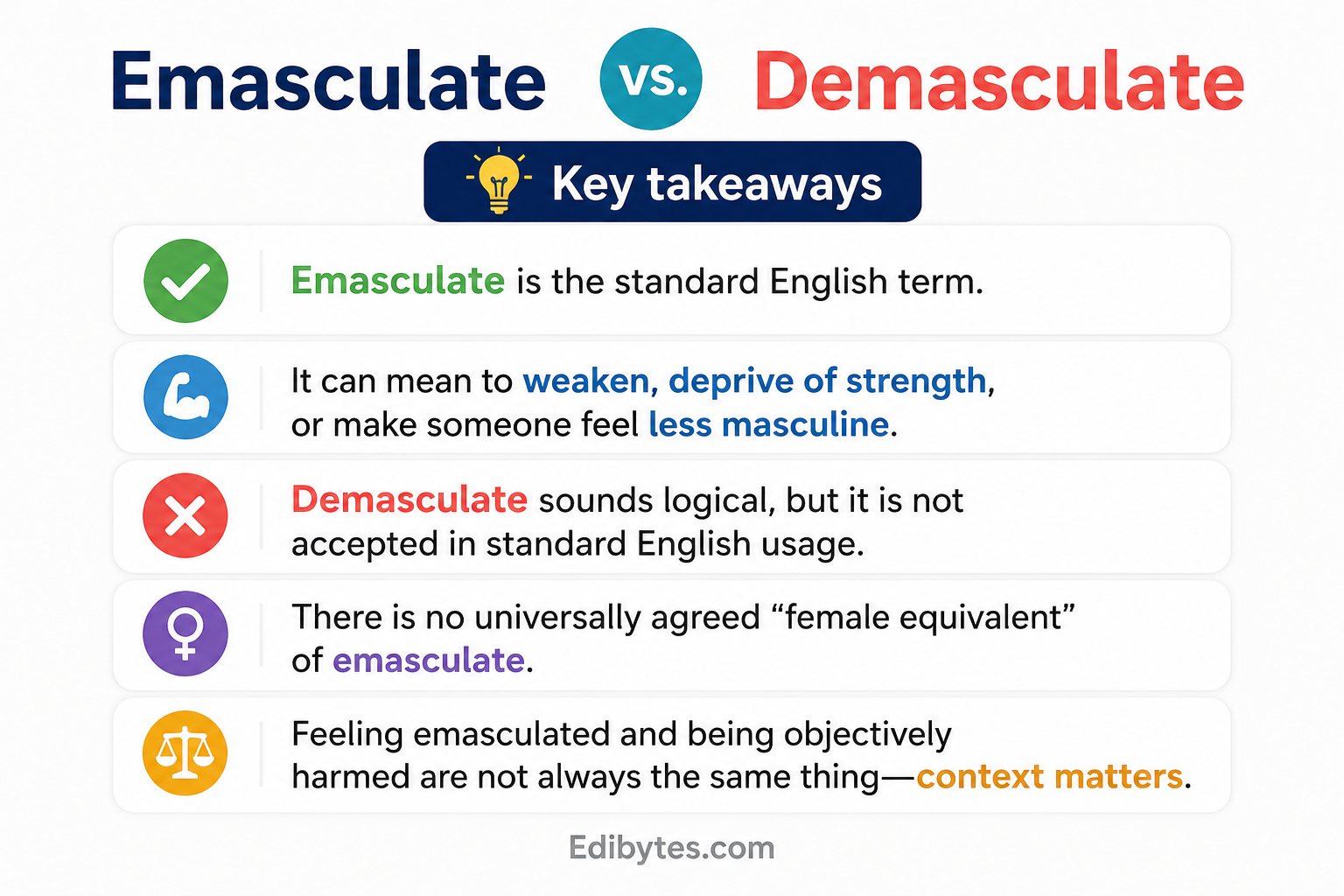
The correct word is emasculate. Demasculate is generally considered a nonstandard or mistaken formation and is not the word you want in formal or academic writing. Key takeaways A Conversation With Dr. Adrian Wells, Linguistics Consultant Doug Chernoff: Let’s settle this immediately. Is the correct word demasculate or emasculate? Dr. Adrian Wells: The correct term … Read more